

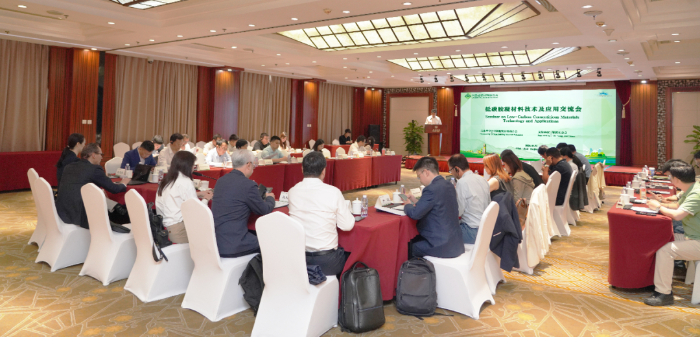
On May 21, the “Seminar on Low-Carbon Cementitious Materials Technology and Applications,” hosted by the China Building Materials Federation and supported by the Energy Foundation, was held in Beijing. The conference explored the future development of low-carbon cementitious materials from multiple perspectives, including policy guidance, standards development, technological innovation, application practices, and international cooperation. The event aimed to promote the research, development, and application of low-carbon cementitious material technologies and support the green and low-carbon transformation of the building materials industry.
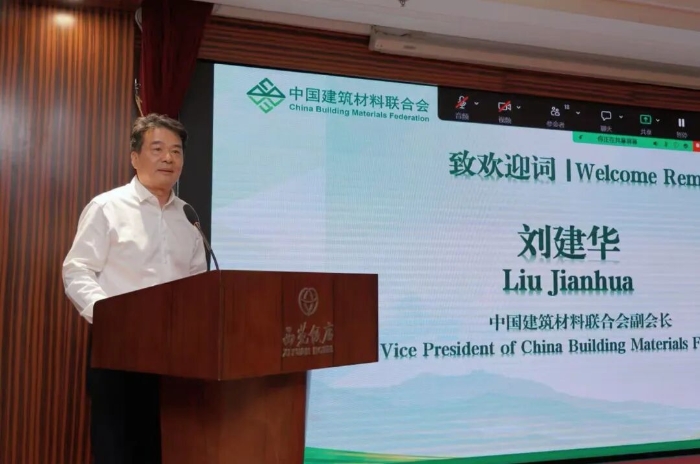
In his opening remarks, Liu Jianhua, Vice President of the China Building Materials Federation, stated that developing low-carbon cementitious materials to replace traditional Portland cement has become one of the key technological pathways for achieving carbon reduction in the global cement and concrete industry. Regarding the advancement of research, development, and application of low-carbon cementitious materials, he proposed four recommendations. First, build global consensus on green and low-carbon development by establishing high-level international exchange platforms and strengthening cooperation and mutual learning from fundamental research to industrial applications, and from academic discussions to engineering practice. Second, promote major scientific and technological breakthroughs through an “open competition mechanism to select the best candidates” approach, focusing on overcoming key bottlenecks in technologies such as novel low-carbon cementitious materials, intelligent manufacturing, solid waste resource utilization, and low-carbon material design. Third, establish a comprehensive standards system for low-carbon cementitious materials, covering material performance, carbon sequestration measurement, and low-carbon product applications throughout the entire industrial chain. Fourth, develop an environmental information disclosure system and promote mutual recognition of international rules, using Environmental Product Declarations (EPDs) and carbon labeling as core tools to facilitate the international promotion and application of low-carbon products.

Christy Stanker, Program Manager for Cement and Building Materials at the Global Industry Hub, attended the conference online. In her remarks, she emphasized that China, as the world’s largest cement producer and exporter of cement engineering equipment, has an industry development trajectory with profound implications for the global decarbonization process. She noted that the Global Industry Hub is advancing carbon reduction efforts through three strategic priorities: “build less,” “build clever,” and “build clean.” Lowering the clinker factor, she stressed, is currently one of the most promising decarbonization pathways for the cement and concrete industry. She also expressed hope for strengthened international cooperation to jointly advance the application of low-carbon cementitious materials.
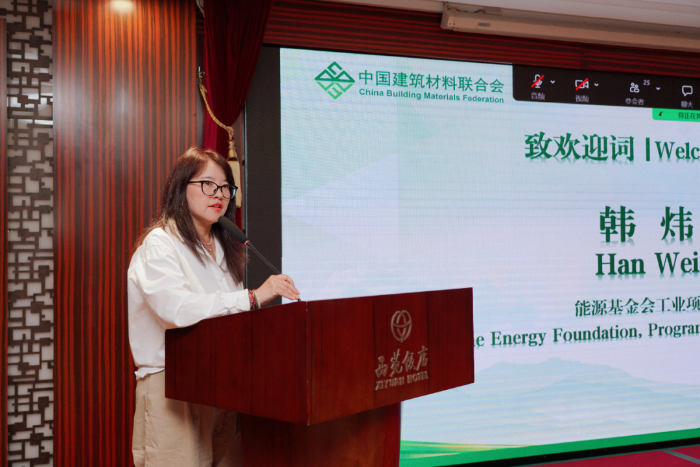
Han Wei, Program Director of Industry at the Energy Foundation, stated in her remarks that the cement industry is facing deep decarbonization challenges, and that developing low-carbon cementitious materials, reducing clinker content, and promoting the use of new mineral raw materials are of great significance. She pointed out that the transition of low-carbon materials from laboratories to the market still faces challenges related to standards and specifications, market acceptance, and costs. Government green procurement policies, green building materials standards systems, and market cultivation mechanisms are all critical to promoting large-scale applications. She expressed hope that the conference would accelerate the establishment of relevant standards and market mechanisms and further promote the development of the green and low-carbon building materials industry.
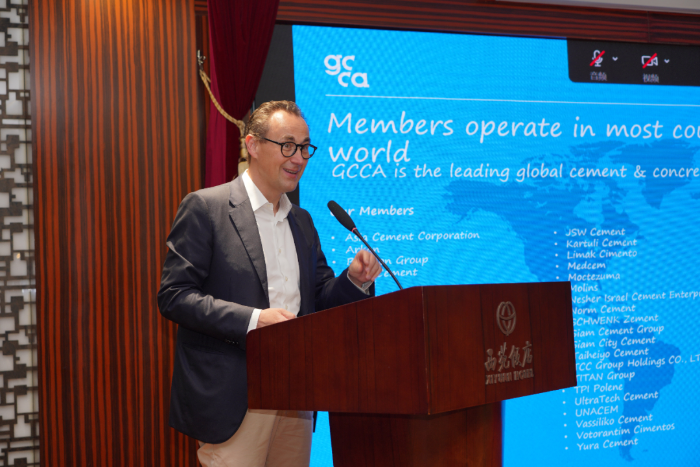
Thomas Guillot, Chief Executive Officer of the Global Cement and Concrete Association, delivered a keynote presentation titled “Accelerating Low Carbon Cement Adoption: A Global Opportunity.” He shared the latest global trends and practical experiences in the development of low-carbon cement and emphasized the importance of coordinated collaboration across the global industrial chain in driving the low-carbon transformation of the industry.
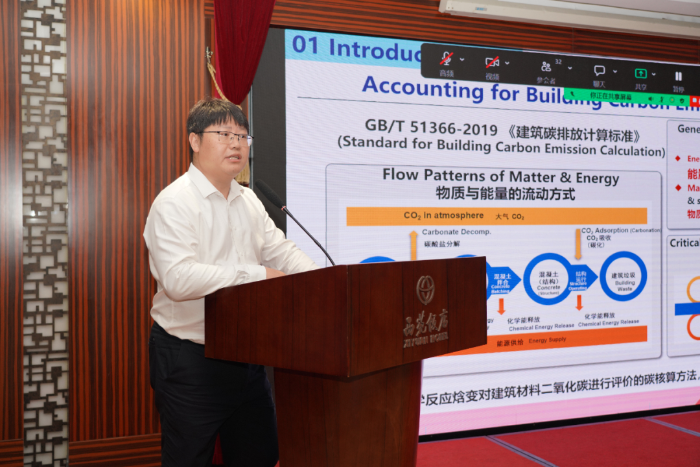
Prof. Ye Jiayuan, President of the Cement Institute at China Building Materials Academy, introduced China’s research progress and development outlook for low-carbon cementitious materials.
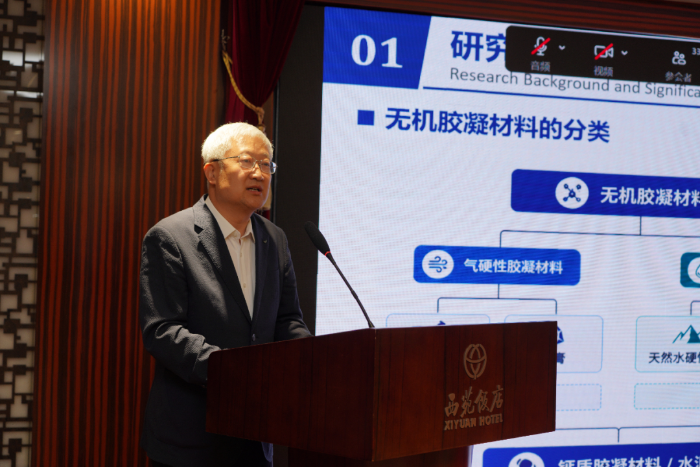
Prof. Wang Dongmin of China University of Mining and Technology (Beijing) presented the concepts, properties, applications, and standardization progress of silico-aluminous solid waste cementitious materials, highlighting the development potential of solid waste resource utilization in the field of low-carbon cementitious materials.
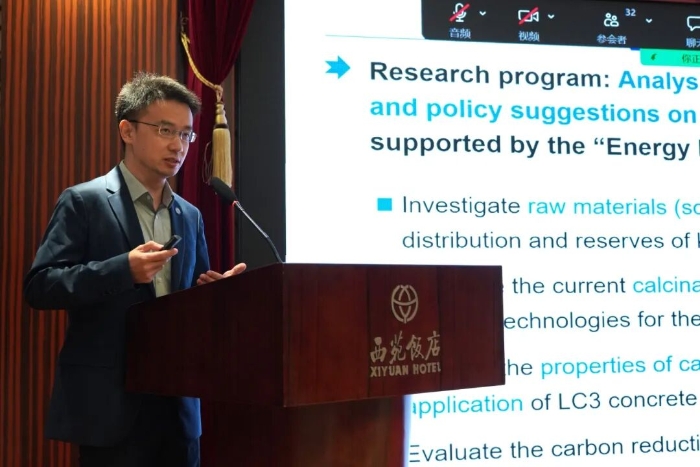
During the corporate presentation session, Dr. Yu Cheng, Vice President of the Research Institute of Jiangsu Sobute New Materials Co., Ltd., shared insights on the application prospects of limestone calcined clay low-carbon cementitious materials in China, analyzing opportunities and challenges for their promotion based on resource conditions, process equipment, and engineering cases.
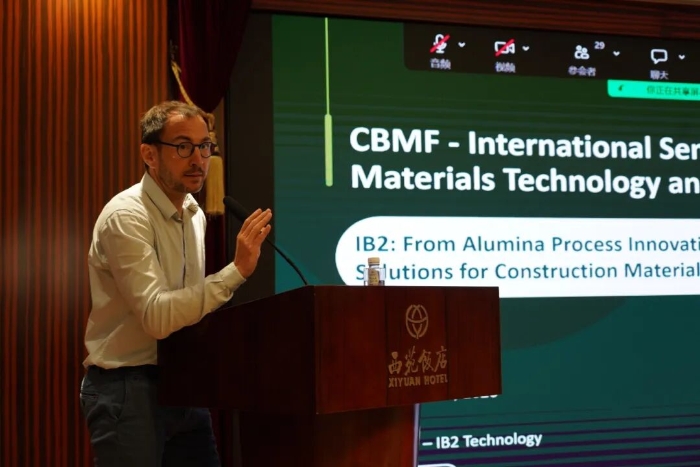
Romain Biaud, Calcium Silicate Product Manager at IB2 France S.A.S., introduced the company’s exploration in the resource utilization of bauxite residue and the development of new low-carbon materials such as calcium silicate hydrate (CSH).
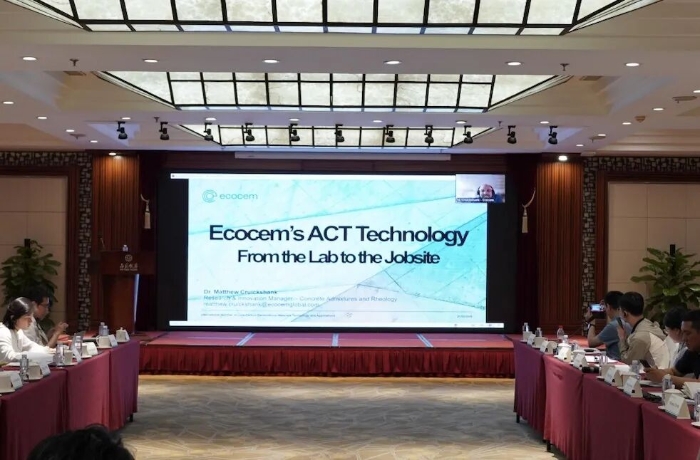
Matthew Cruickshank, R&D Manager at Ecocem, shared practical experiences in advancing low-carbon cementitious material technologies from laboratory research to engineering applications.
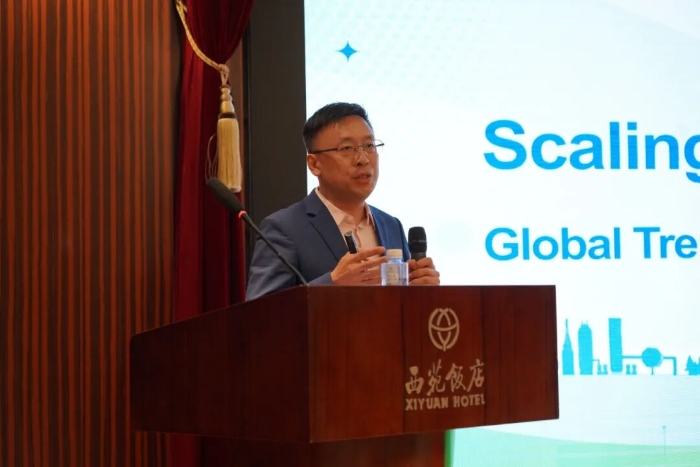
Wang Bin, Deputy General Manager of CBMI Construction Co., Ltd., presented the company’s experience in the large-scale application of LC3 low-carbon cementitious materials in international engineering projects, as well as related project practices.
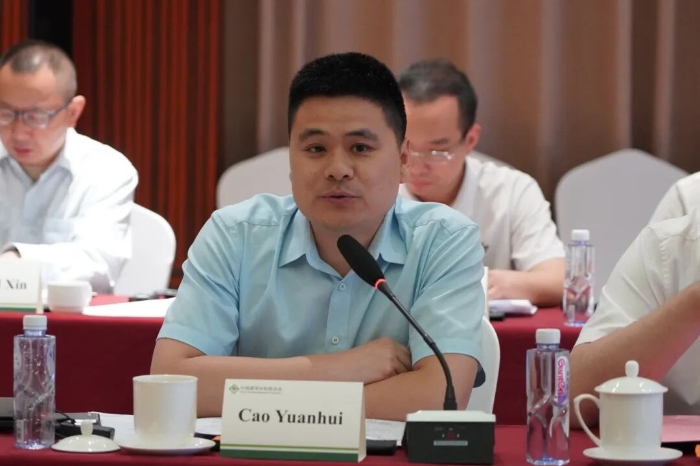
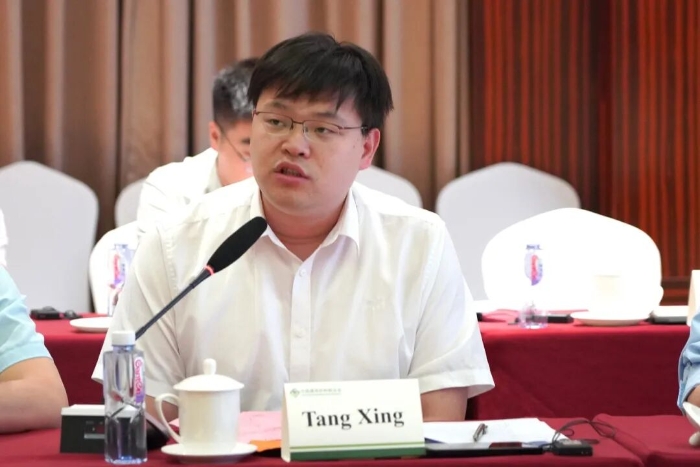
During the discussion session, Cao Yuanhui, Director of the Standards and Quality Department of the China Building Materials Federation, shared insights on the development of standards systems for low-carbon cementitious materials. Tang Xing, Senior Engineer of the Cement Product Review Department under the National Office of Industrial Product Production Licensing, introduced the important role of the newly revised “Implementation Rules for Cement Product Production Licenses” in promoting industrial solid waste resource utilization, improving standards systems for green and low-carbon products, and advancing the green and high-quality development of the cement industry.
Experts from organizations including Beijing Building Materials Academy of Sciences Research, Anhui Conch Cement Co., Ltd., and Huaxin Building Materials Group Co., Ltd. engaged in in-depth discussions on technical challenges in industrialization, large-scale production, and market promotion.
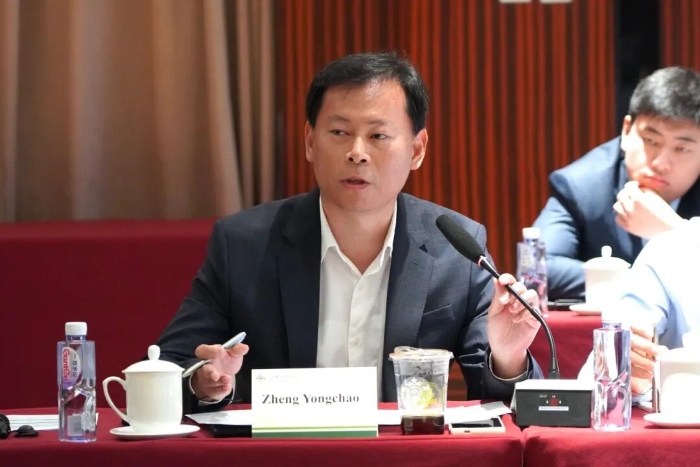
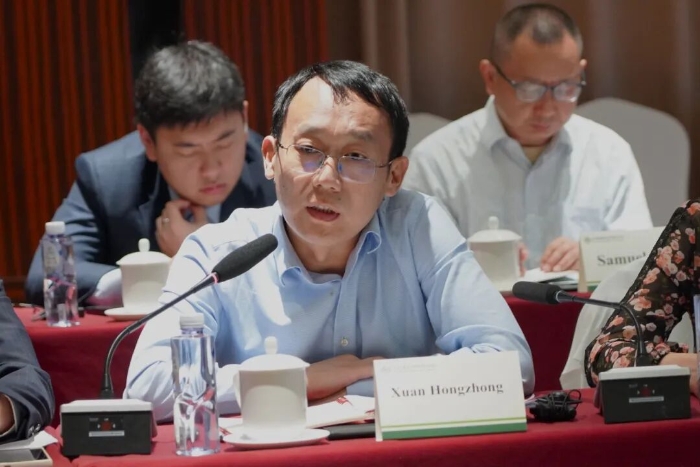
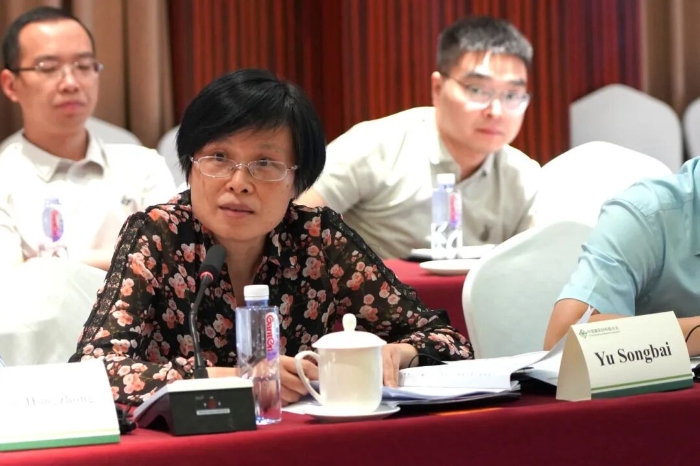
Nearly 100 experts and representatives from international organizations, research institutes, industry associations, and domestic and international building materials enterprises participated in the conference both online and offline.
Editor: Zhang Hanwen
Reviewer: Shen Yulu, Li Yuemei