

On September 22, the "Seminar on Green Procurement of Low-Carbon Concrete," hosted by China Building Materials Federation and supported by Energy Foundation, was held in Beijing. The meeting engaged in exchanges around topics such as low-carbon concrete design and standards, engineering applications, environmental information disclosure, green procurement, and supply chain synergy, exploring effective paths to unleash market demand through green procurement, promote the large-scale application of low-carbon concrete, and drive the green and low-carbon transformation of the building materials industry.
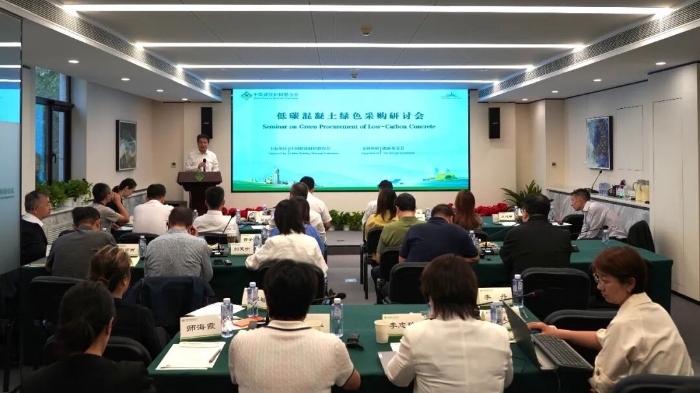
Liu Jianhua, Resident Vice President of China Building Materials Federation, stated in his address that driving the green and low-carbon transformation of the building materials industry relies not only on technological progress, but even more on forming strong traction through market mechanisms and application demands. Green procurement is not only an optimization of the procurement system itself, but also an important bridge connecting technological innovation with market demand. By clearly raising low-carbon requirements through government procurement and engineering construction projects, stable application scenarios and market expectations can be created for low-carbon products, thereby driving production enterprises to step up technological innovation and product upgrading efforts, forming a virtuous cycle where demand pulls supply and supply creates demand.
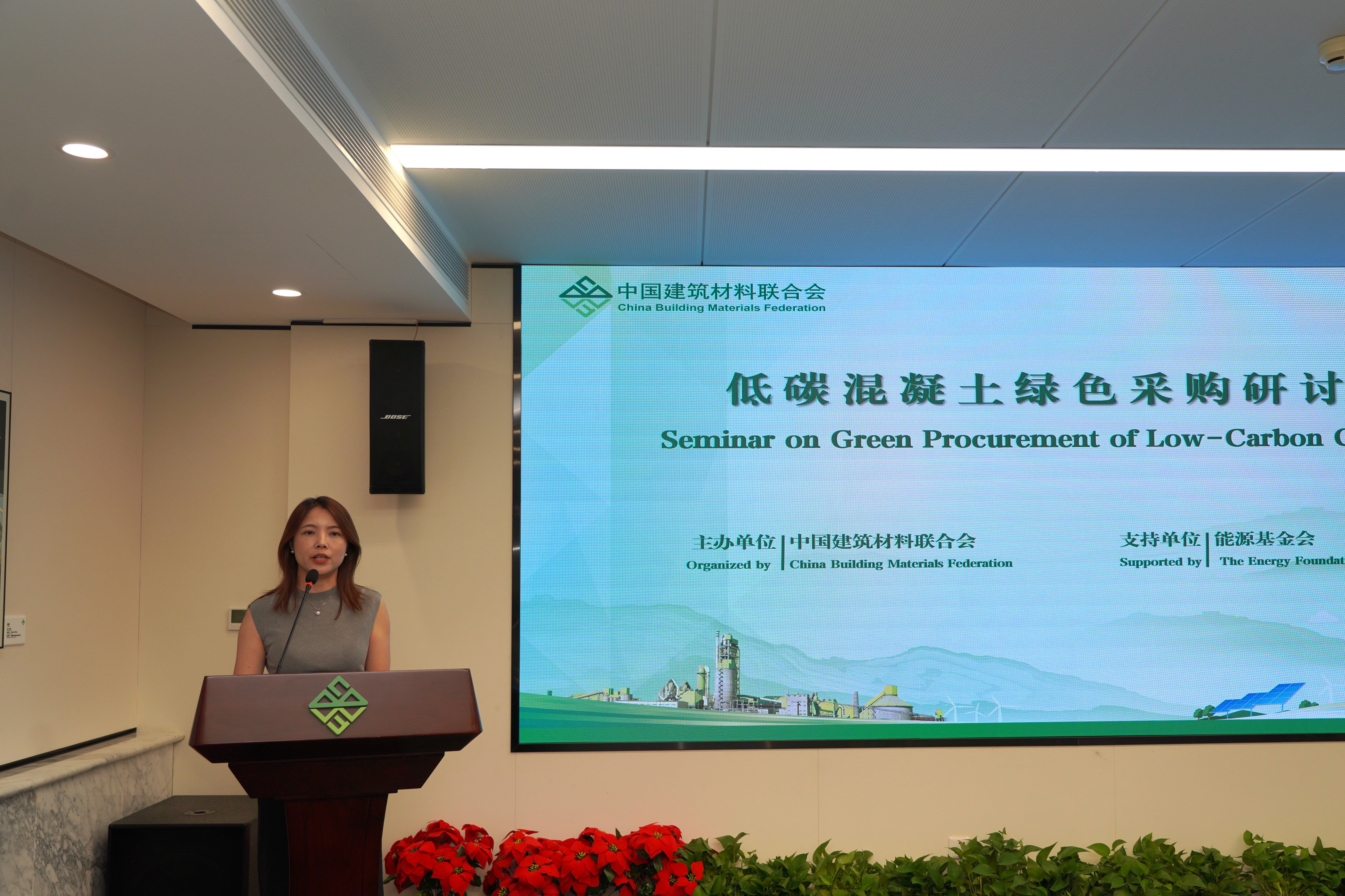
Yu Xia, Senior Industry Program Manager of Energy Foundation, stated in her address that the journey of low-carbon concrete from technology R&D to large-scale application still faces challenges in standard specifications, engineering applications, market perception, and costs. Green procurement can unleash clear market demand to create application scenarios for low-carbon technologies and products, further driving collaborative innovation across the upstream and downstream of the industrial chain. She expressed hope that through joint efforts from all parties, low-carbon concrete can be promoted toward a more mature path of industrial development.
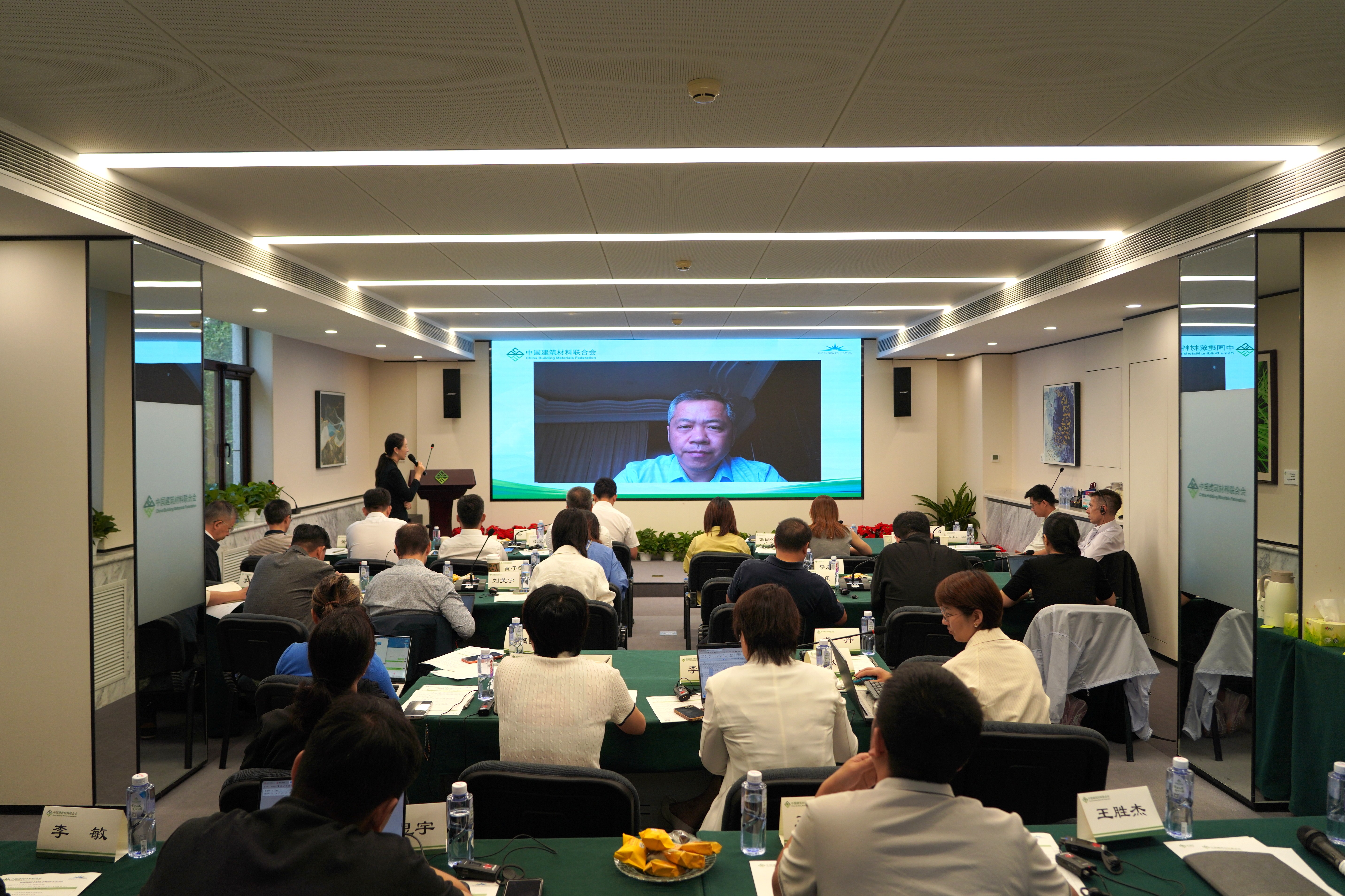
During the keynote report session, Liang Yang, Director of Rural Housing Construction and Green Building Materials Division of the Science and Technology and Industrialization Development Center of the Ministry of Housing and Urban-Rural Development, gave a special presentation on green building materials procurement policies and implementation outcomes. He stated that the policy of government procurement supporting green building materials to promote building quality improvement has effectively driven the application of green building materials in government engineering projects, providing solid support for promoting green and low-carbon development in urban and rural construction. In the future, full-process control should continue to be strengthened, the scope of policy implementation continuously expanded, and typical experiences and practices promoted to ensure policies are effectively implemented.
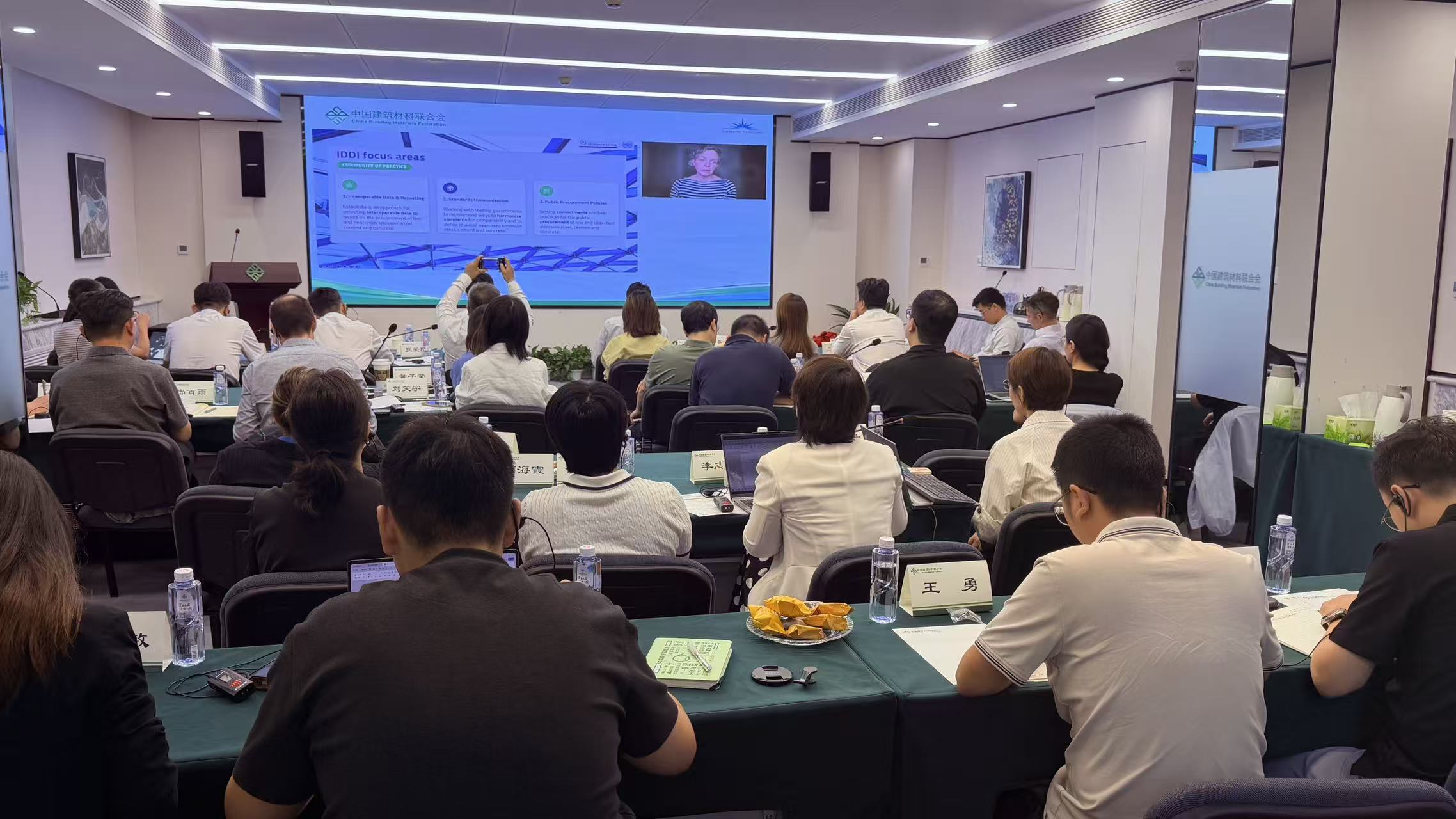
Sol Reeve, Senior Green Procurement Expert of the United Nations Industrial Development Organization (UNIDO), gave a special presentation on policy practices and experience of international public procurement driving low-carbon development of building materials, introducing the positive role of international green public procurement in promoting the development of low-carbon product markets and driving industrial transformation.
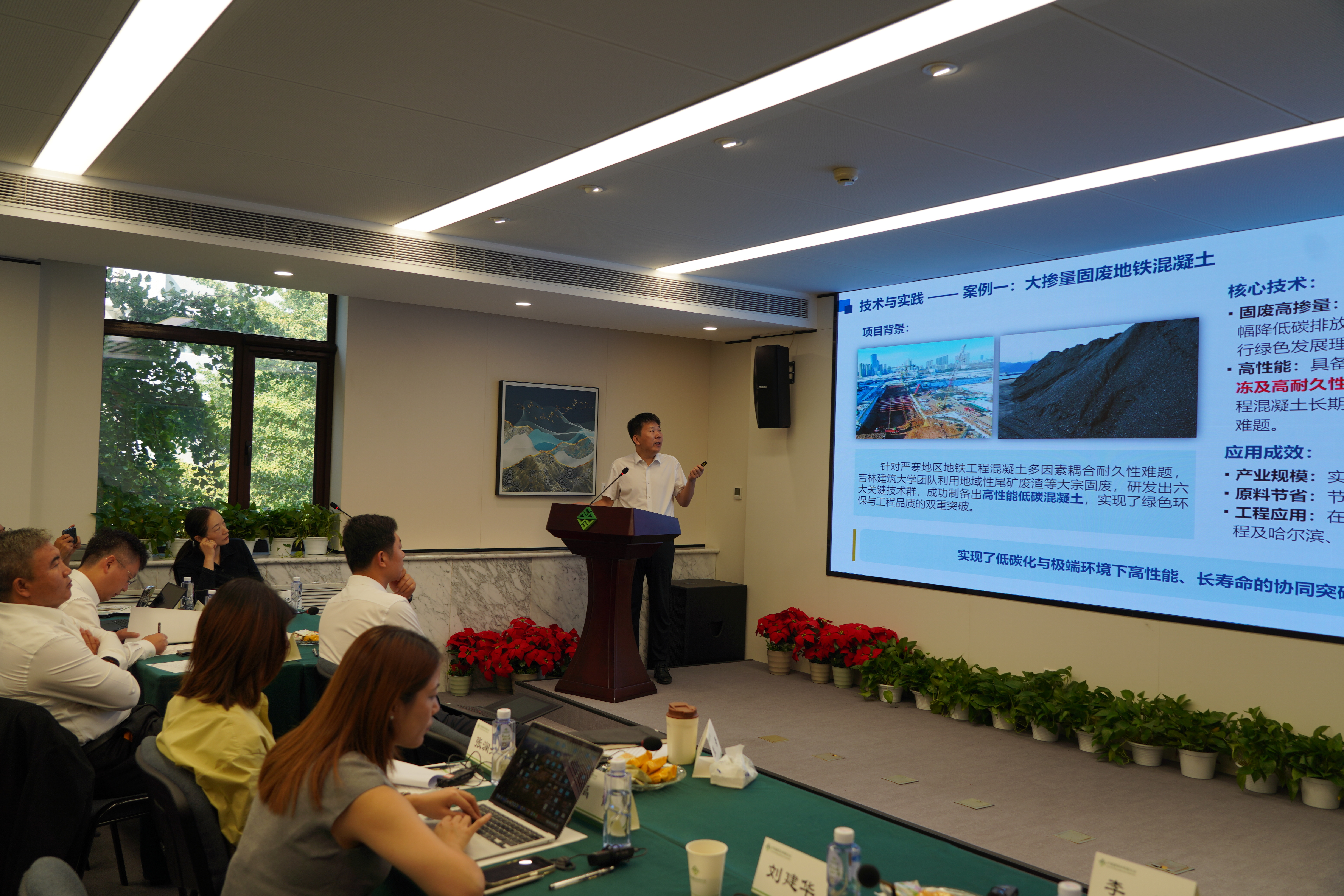
Dr. Xia Jingliang, Director of Solid Waste Resource Utilization Research Center of CABR Technology, shared insights on the design, standards, and applications of low-carbon concrete, analyzing from the perspectives of engineering technology and practical applications the technical and engineering obstacles faced by low-carbon concrete during promotion and application, as well as relevant practical experience and solutions.
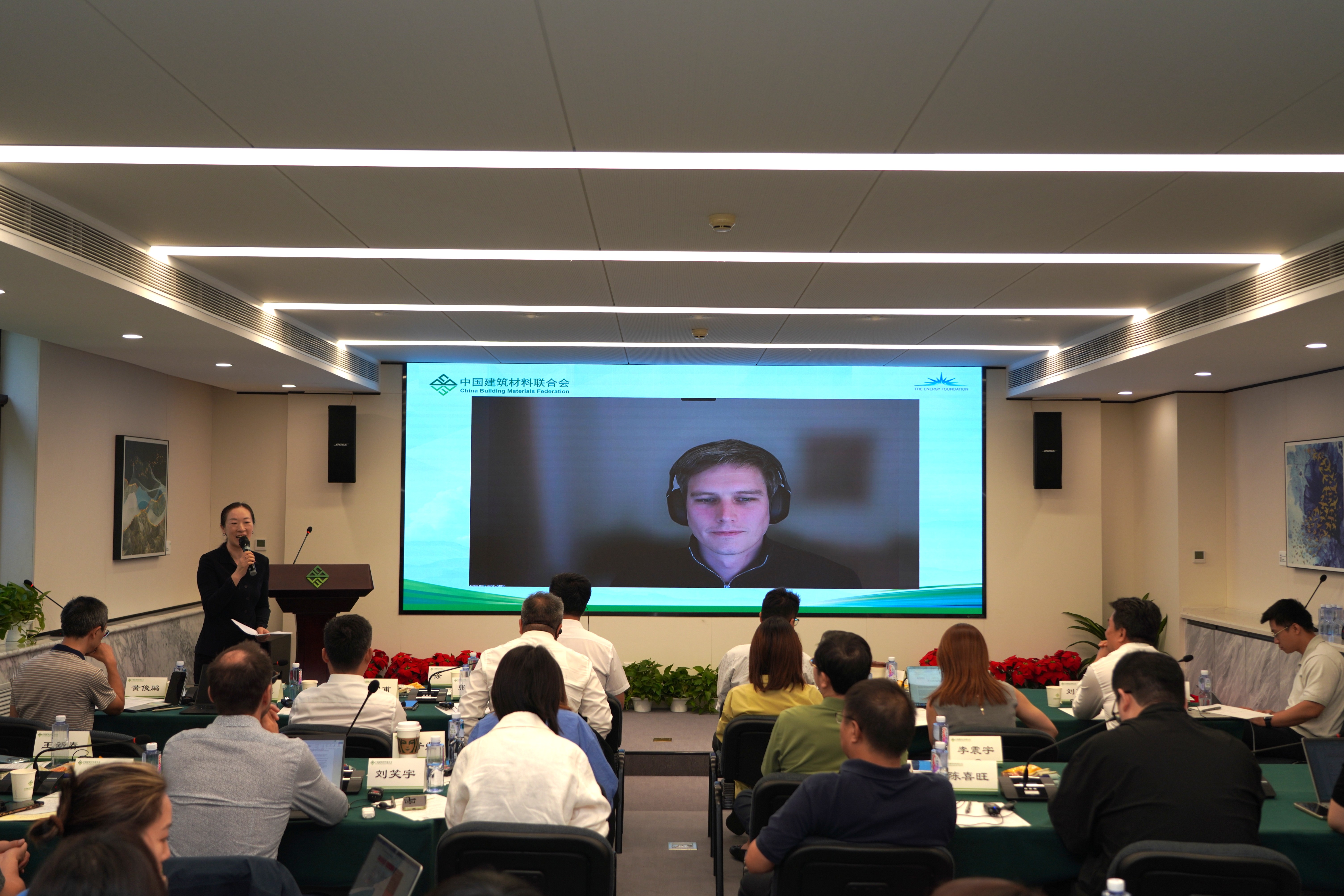
Dr. Martin Röck, Director of RISE Lab and Chief Scientist of Global Building Data Initiative (GBDI), shared relevant practices in low-carbon development, environmental data, and sustainable built environments in the construction field from the perspective of international cutting-edge research and building data applications, exploring the links between data, technology, and sustainable development of the built environment.
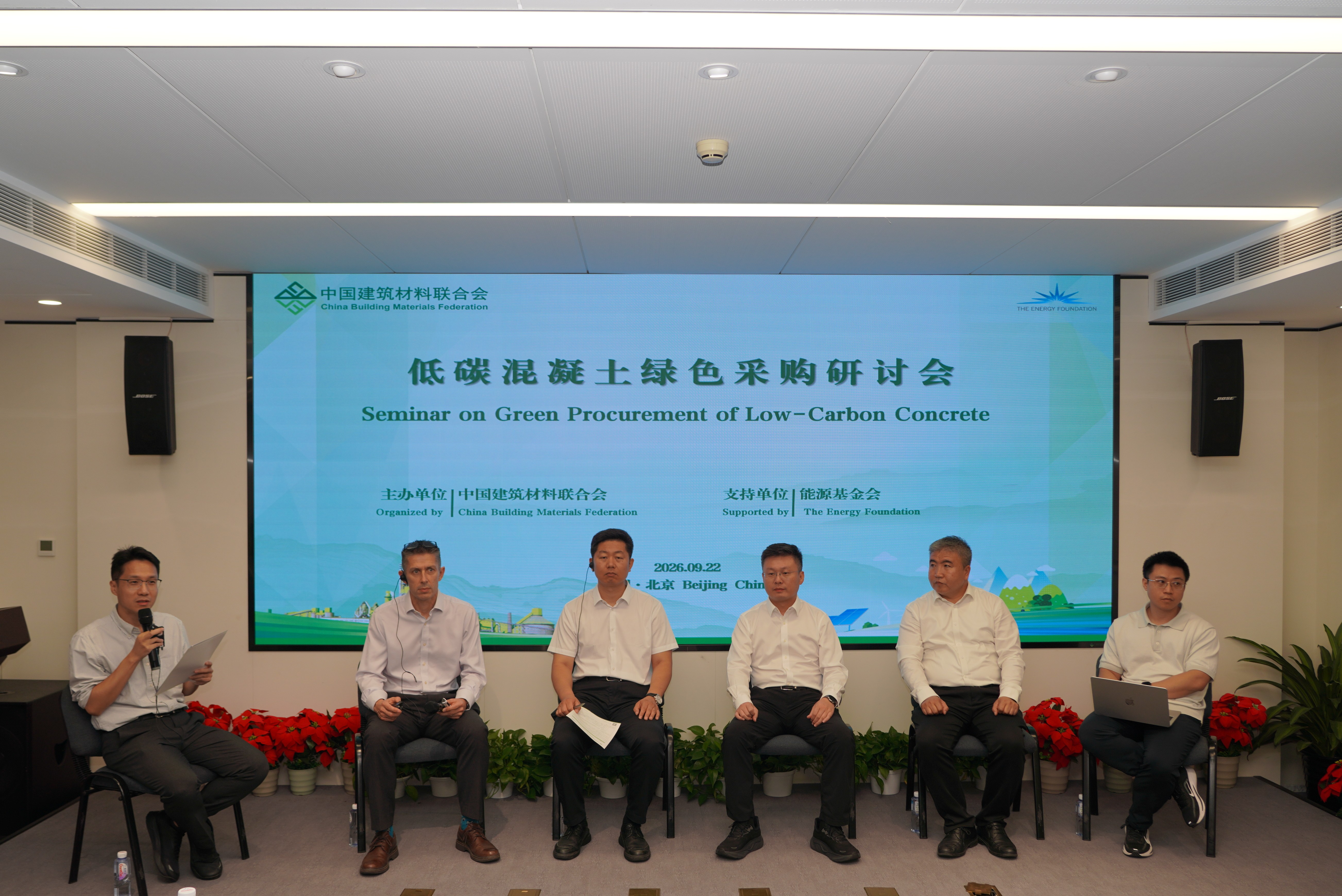
During the discussion and exchange session, Dr. Stephen Hamil, Global Innovation Director of HUBEXO; Jiang Kefu, President of Zhejiang Sanshi South New Materials and South New Materials Technology Co., Ltd.; Xu Tao, Vice President of the Product Institute of China IPPR International Engineering Co., Ltd. (China Institute of Building Standard Design & Research); Dr. Zhang Aimin, Technology R&D Specialist at the Technology Research Institute of China Construction Eighth Engineering Division; and Li Wei, Director of the Buildings, Infrastructure, and Supply Chains Department at Rocky Mountain Institute, conducted in-depth exchanges on practical paths and synergy mechanism construction for green procurement of low-carbon concrete from the perspectives of international engineering procurement, corporate practice, standards and engineering design, engineering applications, and supply chain synergy, respectively.
Participating experts unanimously agreed that green procurement is not only an important policy tool to expand market demand for green and low-carbon products, but also an important mechanism to promote upstream and downstream industrial chain synergy and advance the commercialization and large-scale application of low-carbon technologies. As a next step, further efforts should be made to explore gradually incorporating low-carbon indicators, carbon footprints, and environmental information into engineering construction and procurement evaluation systems, improving low-carbon concrete standards, evaluation, and information disclosure mechanisms, strengthening the alignment of domestic and international environmental information rules and mutual recognition of data, and promoting the formation of a multi-party collaborative mechanism led by government, driven by market, and participated by enterprises, thereby boosting the rapid development and large-scale application of low-carbon concrete.
More than 60 experts and representatives from government departments, international organizations, scientific research institutes, industry associations, engineering construction units, and building materials enterprises attended the seminar.